
HYDROview:
Self-sufficient water level measurement
Are you looking for a smart monitoring device that allows you to monitor water levels easily
and flexibly and detect flood risks early on?

Detecting Flood Risks Early
Streams may look idyllic, but they can become a real danger during heavy rainfall. They are often the cause of devastating floods.
With RCT’s HYDROview water level monitoring system, such waterways can be monitored easily and flexibly –
allowing hazards to be detected early on.
The 2021 flooding in the Ahr Valley, Germany, demonstrated that smaller streams were the cause of this once-in-a-century disaster. Triggered by heavy rainfall, they carried up to 400 times more water than usual – and did so in a very short period of time. Experts therefore advocate for the continuous monitoring of even smaller streams using measurement technology. This is the only way to detect an impending flood early on.
Requirements for Water Level Measurement
What is needed are smart water level measurement devices that can be set up quickly and flexibly as needed and, above all, operate autonomously – even along rivers and streams far from any energy infrastructure.
Disadvantages of Previous Solutions
Water level measurement devices have been around for some time. However, their complex, labor-intensive, and comparatively expensive setups – involving brackets, mounting elements, and cables to external power sources – are a drawback.
Easy Installation
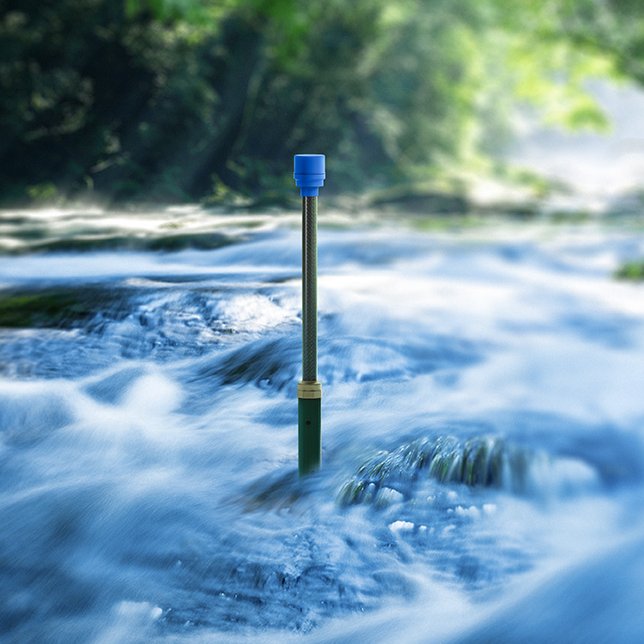
With HYDROview, RCT now offers a water level measurement device that enables easy installation and commissioning, as well as self-sufficient and mobile operation. The new development features a cost-effective sensor that cyclically measures water levels capacitively, detects flood hazards, and issues alerts.
Quick Setup
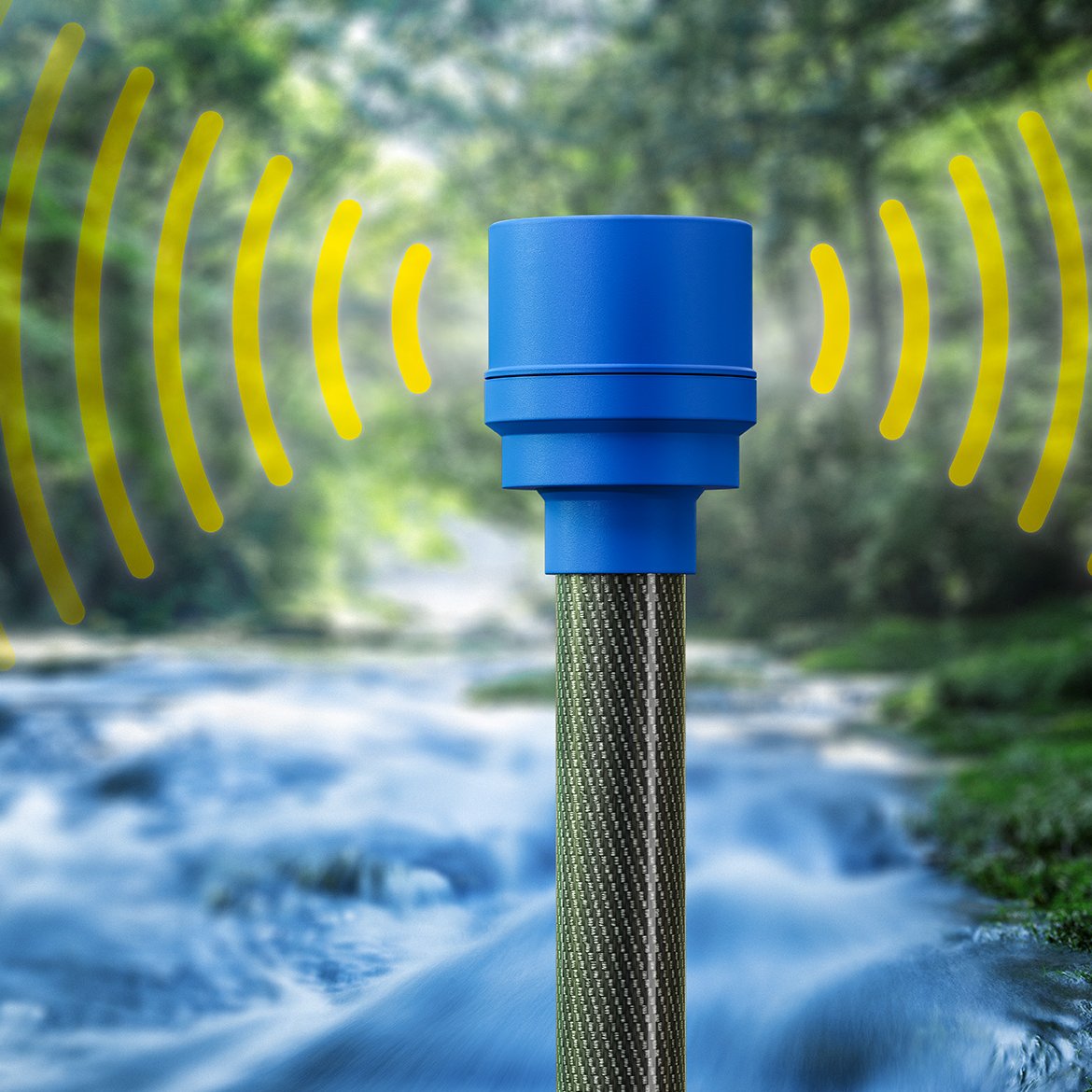
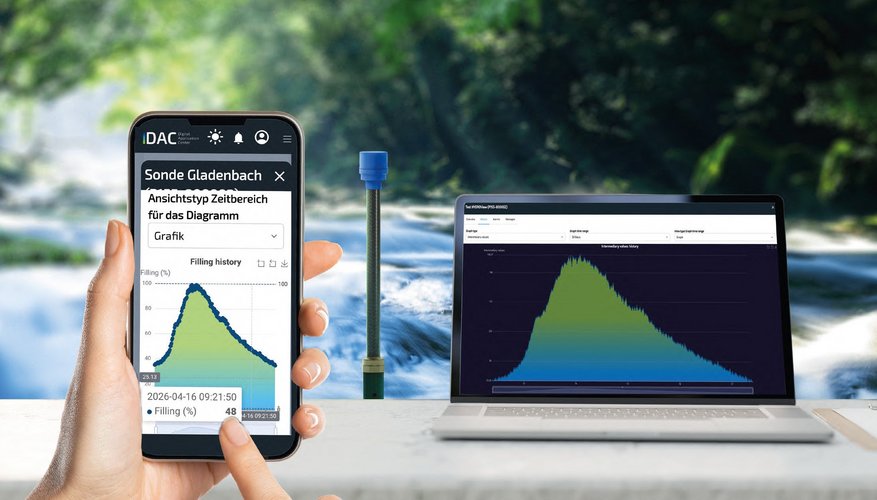
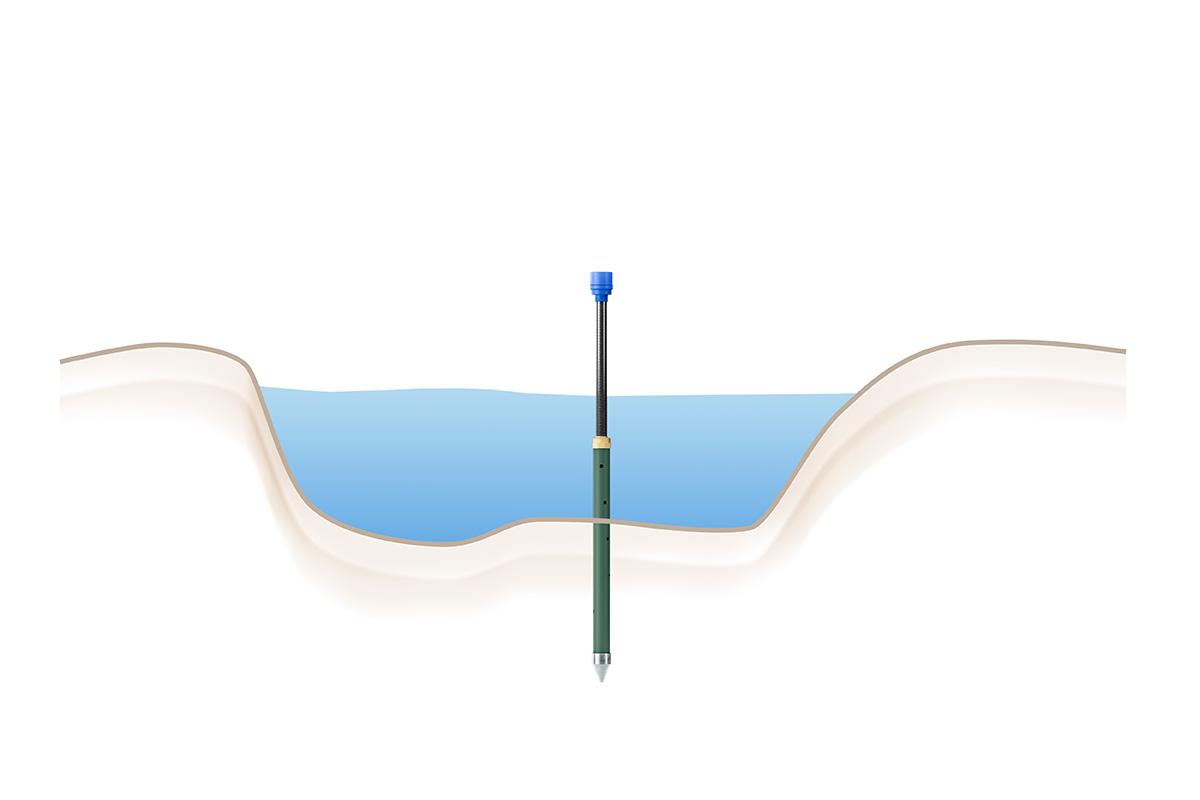
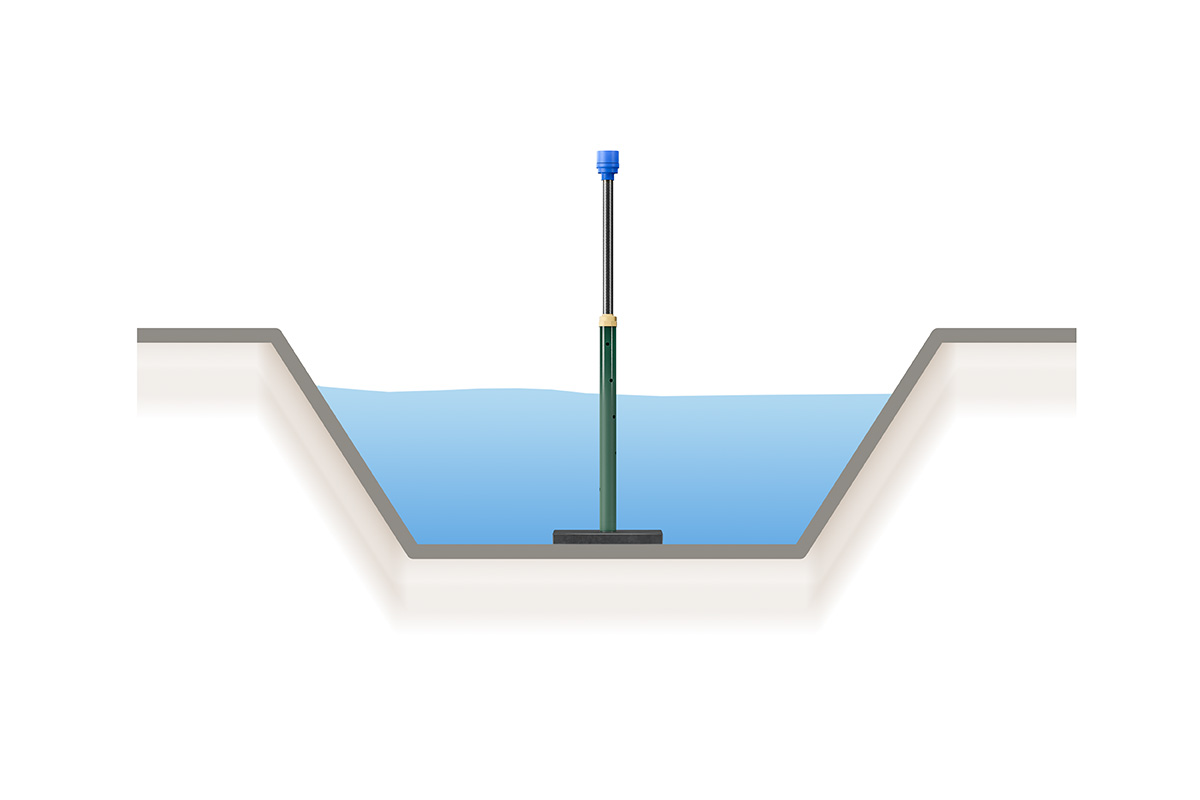
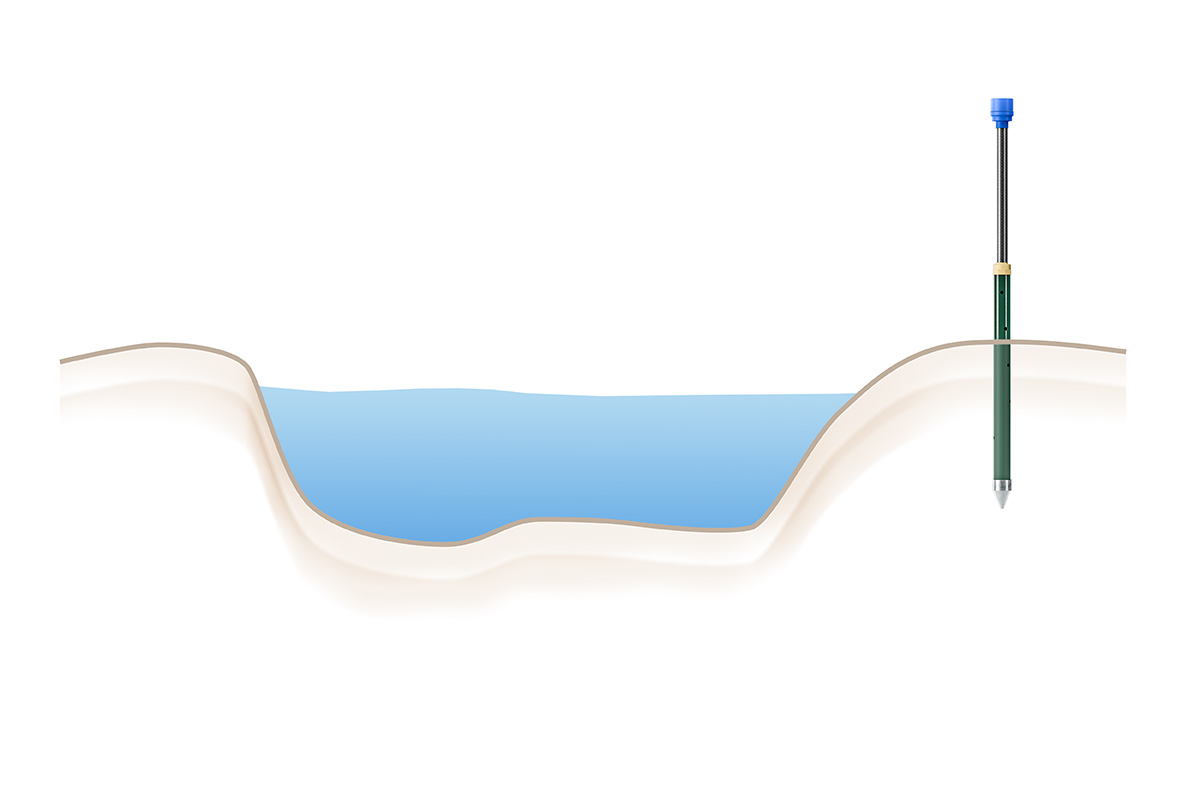
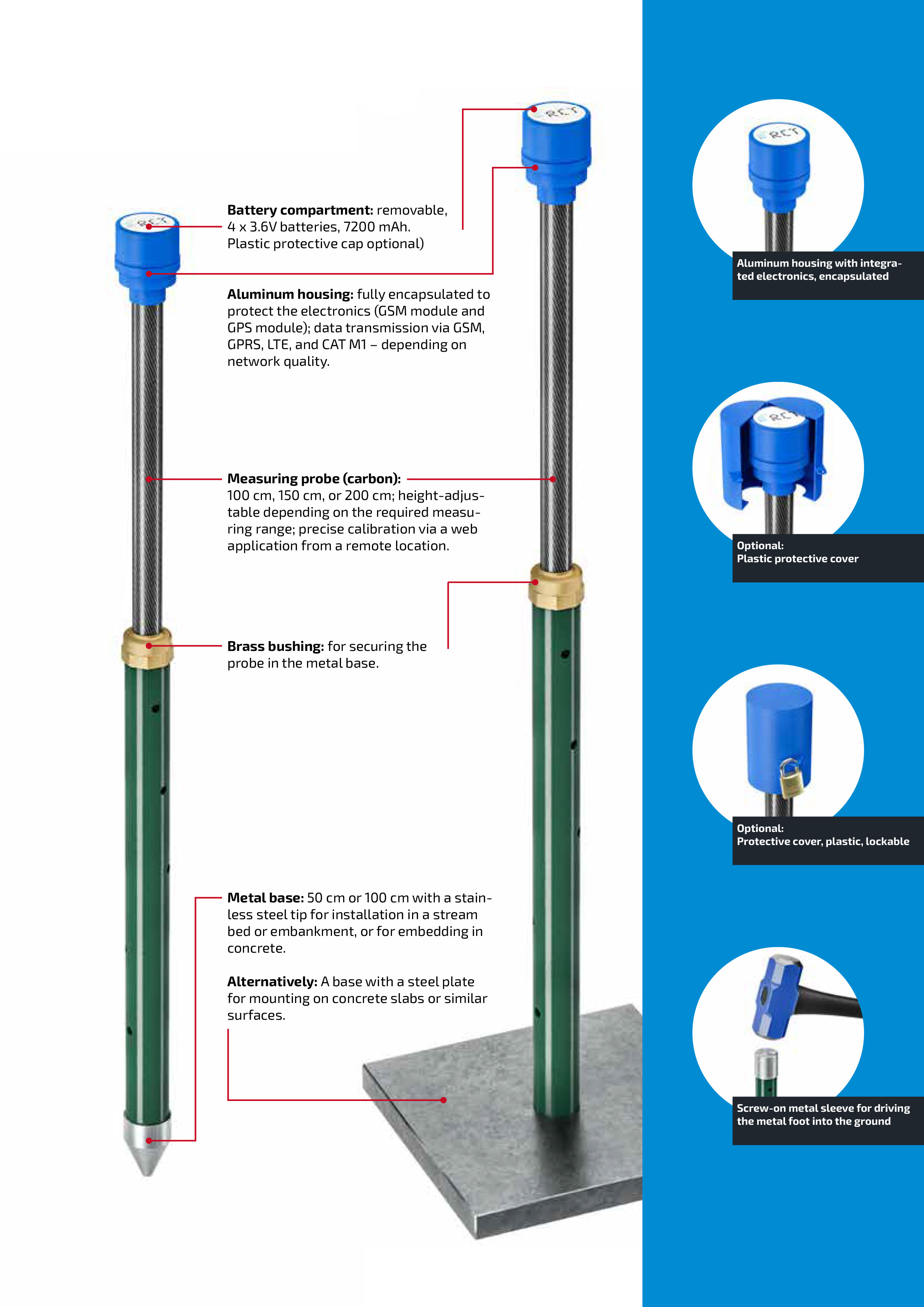
Using a measuring rod equipped with a measurement and data processing unit – which can be easily positioned near the shore – both water level data and GPS data can be collected and transmitted. The electronics communicate with the outside world via GSM/NB-IoT on the LTE network. In the event of a flood risk, the transmission frequency changes. Data is then automatically transmitted at shorter intervals. The battery-powered (battery life depends on transmission frequency) water level measuring device operates completely autonomously without external aids.
Geodata included
In addition to monitoring and transmitting physical parameters such as water level and temperature, the unit’s geolocation can also be transmitted.
Industrial-grade & weatherproof
The measuring device can be configured externally via radio. A programming cable is not required for this. Additional information, such as the location, can also be stored. Thanks to its compact design, the entire unit is industrial-grade, UV-resistant, and suitable for use in demanding weather conditions (temperature range: −20 °C to +50 °C).
HYDROview
Measurement and Transmission Unit
With HYDROview, RCT offers a water level measurement device that is easy to install and commission.
This new product features a cost-effective sensor that uses capacitive technology to measure water levels at regular intervals,
detect flood hazards, and send alerts.
Benefits
| 1. Cost-effective to purchase |
| 2. Easy installation and commissioning |
| 3. Mobile and flexible use |
| 4. Self-sufficient operation |
| 5. Automated, periodic level measurement |
| 6. Secure wireless technology (GSM/NB-IoT) |
| 7. Transparency through geodata (GPS, cell ID) |
| 8. Continuous level monitoring |
| 9. Quick information via apps |

CAN/CSA C22.2 No. 60079-0:19, CAN/CSA C22.2 No. 60079-11:14, ANSI/UL 60079-0 (Ed 7.0), ANSI/UL 60079-11 (Ed 6.0)
1. in accordance with Annex III of the Directive on equipment for use in potentially explosive atmospheres 2014/34/EU
2. in accordance with Annex III of the Radio Equipment Directive 2014/53/EU (RED)
3. in accordance with the EMC Directive 2014/30/EU
4. in accordance with the Low Voltage Directive 2014/35/EU
Contact
We are happy to answer your questions:
Martin Meyer
Managing Director
T: +49 6462 419880
E: m.meyer@r-c-t.biz